What Are Incisional Hernias?
.jpg)
What Are Incisional Hernias?
Incisional hernias are one of the most common types of abdominal wall hernia. They develop when part of the intestine or fatty tissue pushes through a weakness in the abdominal wall at the site of a previous surgical incision.
After abdominal surgery, the muscles and surrounding tissues heal by forming scar tissue. Although this process is usually successful, the repaired area may not regain the same strength as the original abdominal wall. If the tissues weaken, a hernia can develop months or even years after surgery.
Why Do Incisional Hernias Develop?
Several factors can increase the likelihood of developing an incisional hernia after surgery. These include:
- Previous abdominal surgery
- Wound infection following surgery
- Poor wound healing
- Increased pressure within the abdomen
- Repeated heavy lifting or strenuous activity during recovery
- Obesity or other medical conditions affecting healing
What Are the Symptoms?
The most common symptom is a lump or swelling that develops near a previous surgical scar. Patients may also notice:
- A visible bulge that becomes more noticeable when standing
- Discomfort when coughing or lifting
- A feeling of weakness around the scar
- Pain during physical activity
Some hernias remain painless, while others become increasingly uncomfortable as they enlarge.
Do Incisional Hernias Need Treatment?
Unlike some medical conditions, incisional hernias do not usually heal without surgery.
Small hernias may occasionally be monitored, but many gradually become larger over time. As the defect in the abdominal wall increases, surgery to repair the hernia can become more challenging. For this reason, early specialist assessment is often recommended.
.jpg)
How we've helped make a difference
Frequently Asked Questions
Most hernias around the world are repaired by general surgeons as just one of the list of procedures they perform. Hernia is not a subject that has attracted enough interest generally to make it a specialised area. The slow development of modern hernia techniques is a result. We feel that hernia needs specialisation.
See also, why a specialist hernia centre.
Do NOT go on any kind of active holiday or travel anywhere far from good surgical care with a known hernia condition. You are at risk AND may well find yourself uninsured under the terms of your travel insurance. See the page on Holidays with known hernias.
Keyhole (laparoscopic) surgery represents a great advance in many areas of surgery, such as ovaries, throats, knees, etc.
For hernia though, we find that results that are as good, or better, can be achieved without the risks of keyhole surgery (except in certain specific cases).
Furthermore, our preferred approach does not need general anaesthesia. Keyhole surgery can only be done with general anaesthesia or spinal injections, which carry additional risks.
We stress that different ideas and beliefs by surgeons are healthy in order to make the changes that lead to advances and improvements. Although there are some eminent proponents of keyhole hernia repair, we have done more of these tension-free hernia repairs than any hospital in the entire world, so we could use any technique known to surgical science. Our conclusions are therefore based upon very significant experience.
We DO offer laparoscopy, but in very specific cases where we find that to be more appropriate than the open repair we describe.
See Methods of Repair.
Most hernias, if not treated, do nothing more than get bigger. However, hernias can get very painful, often without warning and at their worst can strangulate, which can demand an ambulance and immediate emergency surgery or the consequences could be extreme.
Yes! There are many reasons why. Hernias (in adult life) do not repair themselves. In fact, they normally only get worse. Every day you leave your hernia, it gets slightly bigger, you are a day older, and the tissue just a little less ‘co-operative’. All you are doing is putting off treatment and could be suffering symptoms while you do so. The obvious problems include pain, enlargement and at worst, strangulation (sometimes without warning).
Once diagnosed, abdominal wall hernias should be repaired as soon as possible and by the best techniques available. See also, is having no treatment an option?
How Is an Incisional Hernia Repaired?
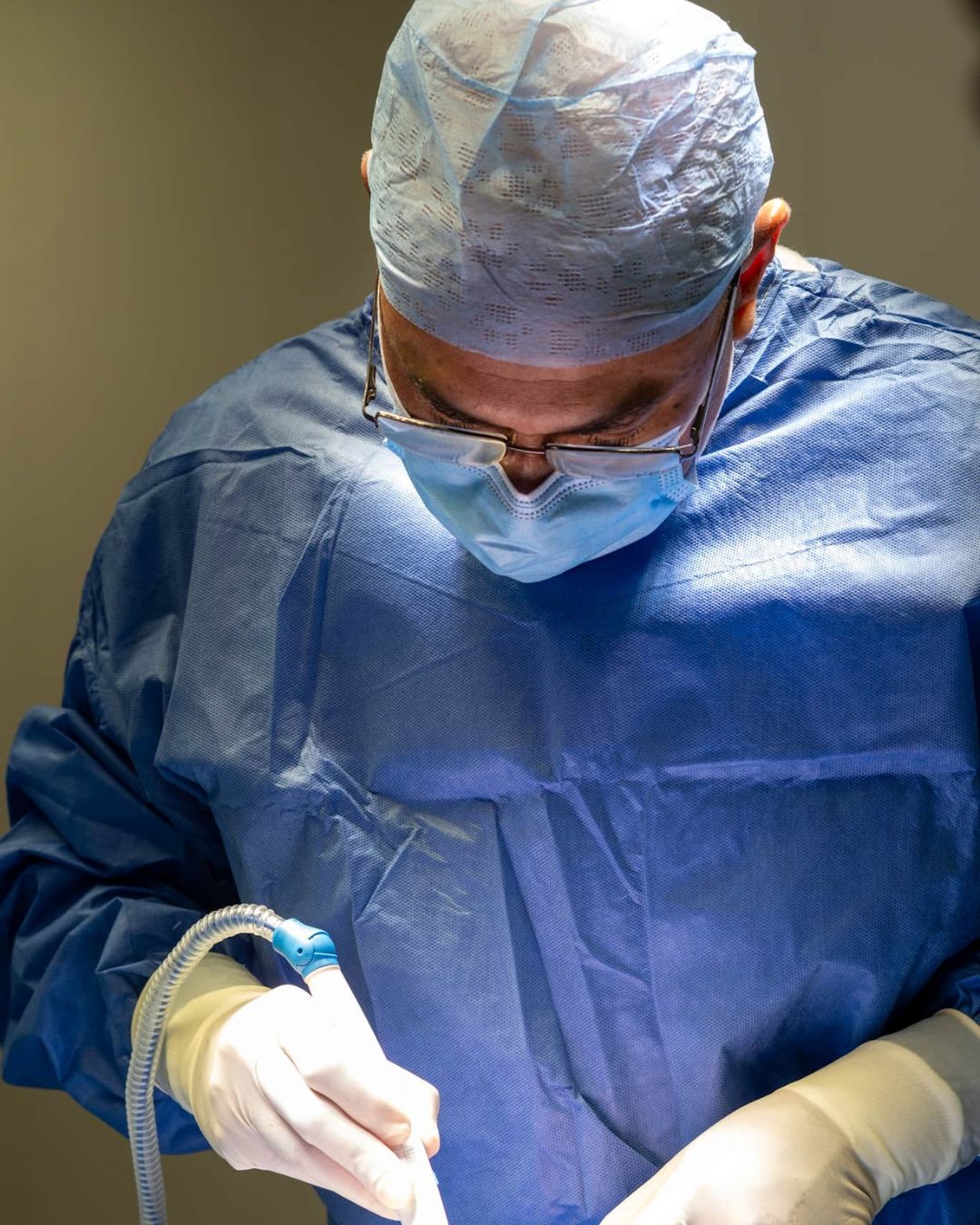
The most appropriate treatment depends on the size of the hernia, the patient's medical history and the condition of the abdominal wall.
Some patients may be suitable for minimally invasive surgery using small incisions, while others may benefit from an open hernia repair. Larger or more complex incisional hernias may require abdominal wall reconstruction using specialist techniques to achieve a durable repair.
Your surgeon will recommend the approach most appropriate for your individual circumstances.
Final Thoughts
At The British Hernia Centre, every patient receives an individual assessment to determine the most appropriate treatment plan. Early referral to a specialist can help patients understand their options before the hernia enlarges or complications develop.
Get in touch with our team today for further guidance.