What is a hernia?
It helps to have an idea of what a hernia is. In basic terms, a hernia is simply a hole or a defect - through which something can protrude. The hole itself is often not really painful (unless the hernia strangulates), just uncomfortable when something pushes through.
How do you know if you have a hernia?
When something protrudes through the hole – usually intestine or the fat around the intestine – you will see or feel a swelling under the skin. It is the swelling or lump that is there when you stand or cough and that goes away when you lie down. This is the most common and obvious sign of a hernia.
No swelling or lump to see or feel means no hernia, but a hernia is not always obvious to the patient and a proper examination by an experienced practitioner is often required.
Diagnosis
To summarise, a hernia can often be diagnosed through a physical examination alone. If there is a noticeable swelling in the abdomen or groin, areas where hernias commonly occur, that becomes more prominent when you cough, strain or stand, and reduces or disappears when you lie down, this is usually a clear indication. In most cases, no additional tests are required to confirm the diagnosis.
Types of Hernias
Common types of hernias include inguinal hernias (groin), femoral hernias (upper thigh, more in women), umbilical hernias (belly button), incisional hernias (at surgical sites), and hiatal hernias (stomach through the diaphragm). Less common types include epigastric and spigelian hernias. Each type may have different symptoms but all involve a noticeable bulge.
Would I need any tests, x-rays or scans?
Not usually and even less if you are examined by a clinician with extensive experience in diagnosing all kinds of hernias. However in a small number of cases, where the symptoms are inconclusive, there are special tests that can be performed.
- Ultrasound
Similar to the ultrasound exam used on pregnant women. Ultrasound gives a shadowy black and white picture. The result is operator dependent, meaning it depends on who is doing it.
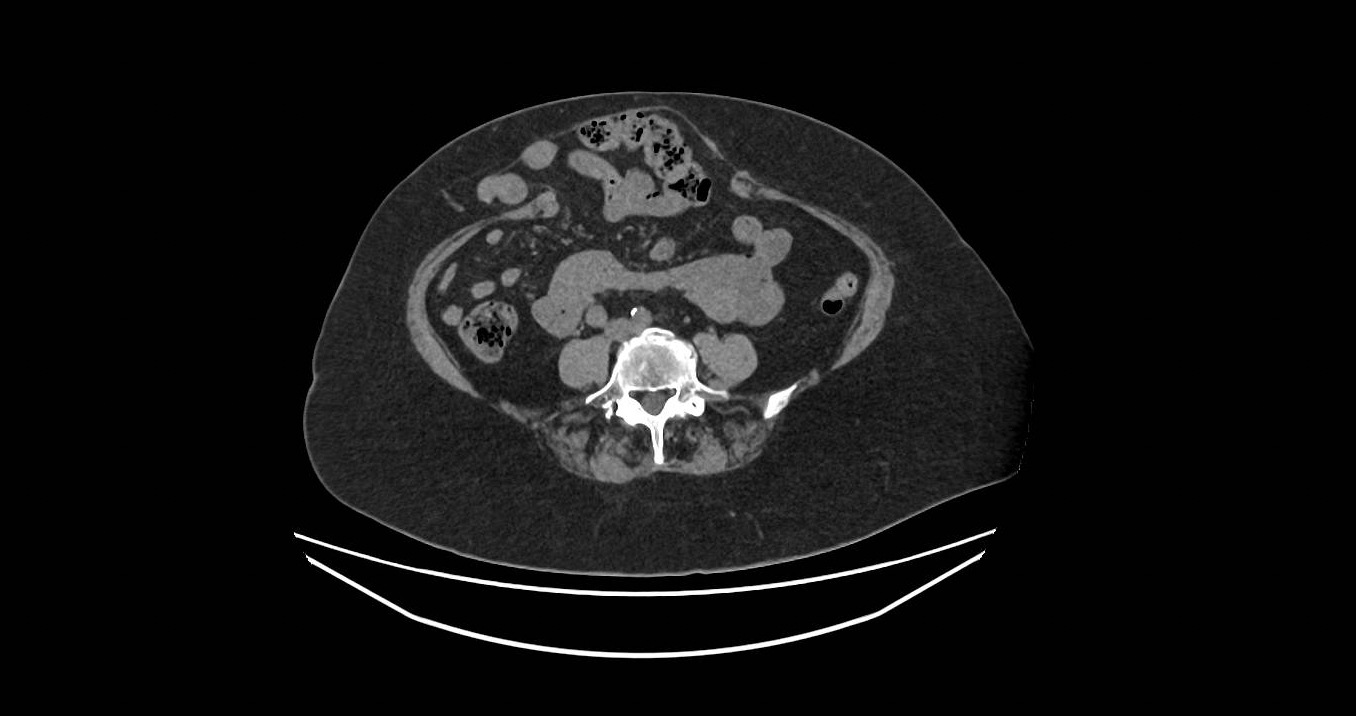
- CT scan
Uses x-rays
- MRI scan
Uses magnetism. A good, modern test. A dynamic MRI, where patients are asked to hold their breath or cough to induce a hernia, is more sensitive in detecting small intermittent hernias
However, in the vast majority of cases, special tests are not needed and your doctor or surgeon should be able to confirm just on examination. More challenging diagnoses are best performed by experienced hernia specialists.
How The British Hernia Centre can help
The British Hernia Centre is the UK’s leading specialist clinic devoted entirely to hernia care, with over 30 years of expert experience.
Renowned globally, it carries out more hernia surgeries than any other surgical centre in the world. Get in touch with our team today to learn more or to arrange a consultation.