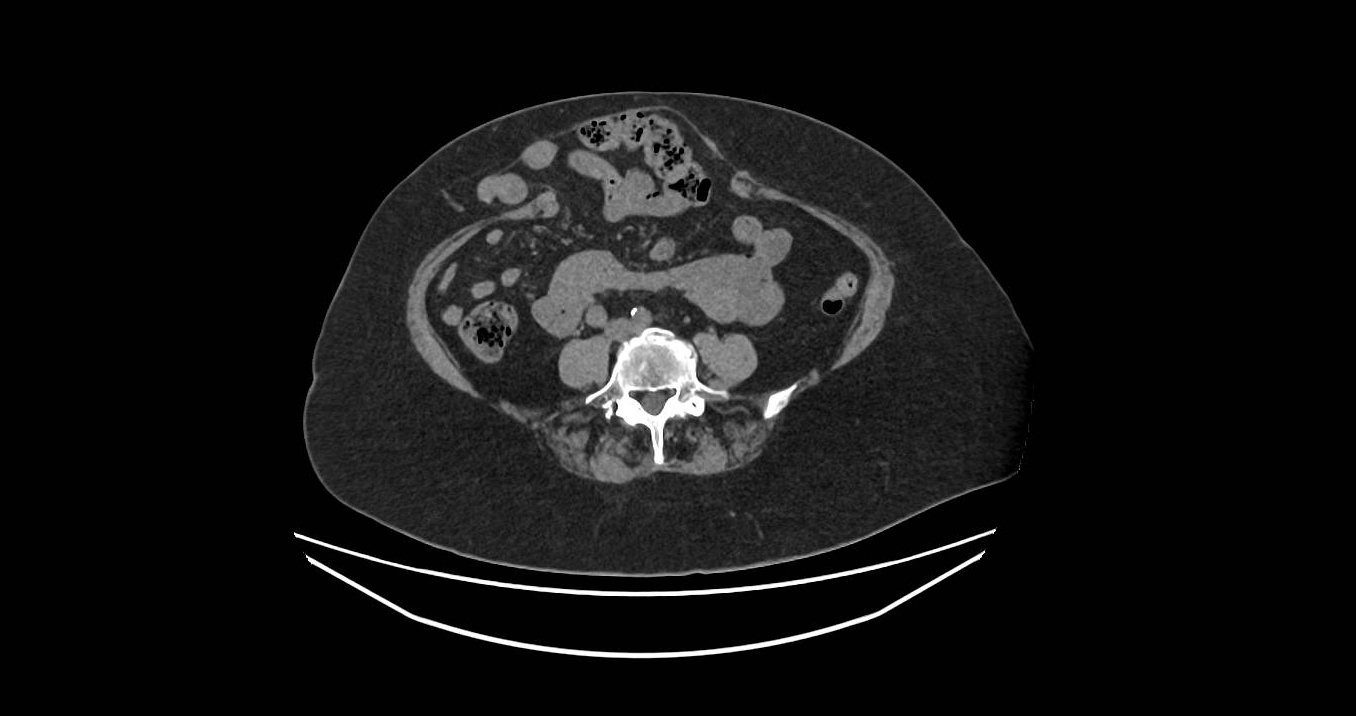
What is an incisional hernia?
An incisional hernia occurs when tissue pushes through a weak area in the abdominal wall at the site of a former surgical incision. This is usually through a scar from earlier surgery. This incision may have been made to access an internal organ, such as during an appendectomy or a caesarean section.
An incisional hernia is different from a recurrent hernia. After the original operation, the surgeon closes the layers of the abdominal tissue with stitches. Sometimes, this closure does not heal properly, weakens over time, or comes apart which allows a hernia to develop.
Symptoms of an Incisional Hernia
Common symptoms of an incisional hernia include:
- A noticeable bulge or swelling near a previous surgical scar
- A bulge that becomes more visible when standing, coughing or straining
- Swelling that may reduce when lying down
- A dull ache, pulling sensation or discomfort around the affected area
- A feeling of heaviness in the abdomen, especially during physical activity or prolonged standing
- Bloating, constipation or nausea if bowel tissue is involved
- Symptoms that become more severe or painful over time
Seek medical advice promptly if the bulge becomes painful or hard, or if you experience vomiting.
How common are incisional hernias?
They are a common complication following abdominal surgery. Researchers estimate that around 12–15% of abdominal operations result in an incisional hernia.
Historically, incisional hernia repair has shown relatively high recurrence rates. Some reports have found recurrence rates of 50–60% within two years. However, outcomes vary depending on the type and complexity of the hernia and the repair technique used.
When should I seek treatment?
An incisional hernia will not usually repair itself and may increase in size over time, potentially causing increasing discomfort or difficulty with physical activity.
A strangulated hernia happens when hernia contents, like part of the intestine, get trapped. This reduces or blocks their blood supply. This is a serious and potentially life-threatening complication requiring urgent medical attention.
Incisional hernia repair
A clinician usually performs a physical examination to assess the hernia and determine the most appropriate treatment. The aim is to repair the hernia defect, restore the strength of the abdominal wall and reduce the risk of recurrence.
Open and minimally invasive techniques can both be effective when performed by experienced specialists. The most appropriate approach depends on factors including:
- The size and location of the hernia
- The extent of the abdominal wall defect
- Muscle separation and the condition of the abdominal wall
- Previous hernia repairs
Mesh repair
Mesh is commonly used to reinforce the abdominal wall and reduce the risk of recurrence. Its position is an important part of the surgical technique.
A sub-lay technique places mesh between the layers of the abdominal wall muscles, while an on-lay technique places it over the muscles. The appropriate position depends on the individual hernia and surgical approach.
Sutured repair without mesh may have a higher risk of recurrence in many incisional hernias.
Open surgery and minimally invasive repair
An open hernia repair involves reopening the previous surgical incision to access the hernia and abdominal wall. This allows the surgeon to repair the defect directly and refashion the existing scar where appropriate.
Laparoscopic hernia repair is a minimally invasive approach that uses small incisions to access the abdominal wall. Traditional techniques place mesh on the inside of the abdominal wall to cover the defect. For larger defects, advanced techniques can help bring the abdominal wall muscles back together for a more complete repair.
Complex and recurrent incisional hernias
Incisional hernias can be more complex after a prior repair and recurrence. They can also become more complex when the abdominal muscles significantly separate.
In these cases, simply closing the defect may not provide a sufficiently strong repair. Surgeons may carry out abdominal wall reconstruction (AWR) to restore the structure and function of the abdominal wall.
Careful planning is particularly important for complex cases. A CT scan can assess the abdominal wall, identify the defect size and help determine the best approach.
Recovery after hernia surgery
Recovery time depends on how complex the repair is and whether surgery is open or minimally invasive.
Patients receive individual advice about wound care, physical activity and returning to normal activities. Larger or more complex abdominal wall reconstructions may require a longer recovery period.
Risks and complications
As with any operation, incisional hernia surgery carries potential risks. These may include:
- Infection
- Seroma or fluid collection
- Postoperative pain
- Mesh-related complications
- Injury to surrounding structures
- Hernia recurrence
Why Choose The British Hernia Centre?
At The British Hernia Centre, we treat the full spectrum of incisional hernias. From small and straightforward cases following previous keyhole procedures to large, complex and recurrent hernias.
We often manage cases declined elsewhere because of their complexity. Our team provide specialist surgical expertise and a tailored treatment plan.
As the UK’s first and only dedicated specialist hernia centre, we have over 30 years of experience. We now perform more hernia operations than any other surgical unit worldwide.
Contact the British Hernia Centre for further information or to arrange a consultation.