Incisional Hernia Repair
.jpg)
Incisional Hernia Repair Methods
An incisional hernia is a type of hernia that develops through a previous surgical incision in the abdominal wall. This means it forms at the site of an old scar where an operation has already been performed, such as surgery for the appendix, gallbladder, bowel, or a caesarean section.
Unlike a recurrent hernia, which returns after a previous hernia repair, an incisional hernia arises specifically from a surgical incision that has weakened over time.
Non-Surgical Management
In selected cases, a supportive belt or corset may be used to manage symptoms. However, this is not a cure and limitations include:
- Often uncomfortable or difficult to fit properly
- Does not stop progression of the hernia
- May restrict activity or affect quality of life
Non-surgical management is usually reserved for patients who are not suitable for surgery.
Surgical Repair of Incisional Hernia
Surgery remains the only definitive treatment for an incisional hernia with mesh repair being the most common option. Modern hernia surgery strongly supports the use of mesh reinforcement as sutured repairs alone have a significantly higher risk of failure. Mesh repair is preferred because it:
- Strengthens the weakened abdominal wall
- Reduces recurrence rates
- Provides long-term durability
A key factor in achieving a successful repair is the placement of the mesh.
- Sublay (retromuscular) mesh placement - The mesh is placed between layers of the abdominal wall muscles. This is widely considered the most durable and reliable method, with lower infection and recurrence rates.
- Onlay mesh placement - The mesh is placed over the muscles beneath the skin. This approach is associated with higher complication and recurrence rates in many cases.
How we've helped make a difference
Frequently Asked Questions
Hernia surgery is no different to any other walk of life in this regard. If other operations are done better by people who specialise in that work, then hernia is no different. Expert opinion now recognises the importance of specialisation in hernia, not only by the surgeon, but the rest of the team and the unit where the work is done.
Our own results have been improved on because of our experience with so many cases each year. We started off with excellent results, but by doing tens of thousands of hernias, even they were dramatically improved upon. See Value of Specialisation.
Almost certainly it can. Until now, much about hernia surgery has been quite dangerous in the elderly, or for patients with other complications.
The operations we now do are perfectly suitable for most such patients and you can be rid of the hernia problems very easily.
We see patients much older than you.
Click here for more on who is suited to surgery
Traditionally (using previous techniques) many hernia repairs fail (recur) and they tend to fare even worse when they get repaired again. The failure rate is thought to double with each subsequent attempt.
Happily we have an established track record in repairing recurrent hernias and are repairs are as reliable as primary (first time) repairs. The risks of recurrence are an insignificant fraction of one percent.
See the page specifically on Recurrent Hernia.
If you are in this position, you must still remember that it is your body and your health at stake. If you feel that you can get something you vastly prefer to what they make available to you, then go for it yourself.
See the previous answer. As we say, not everything that is excellent is expensive and you may be very pleasantly surprised at how affordable it is.
.jpg)
Open vs Keyhole (laparoscopic) Repair
Both open and keyhole approaches can be effective when performed by experienced specialist surgeons.
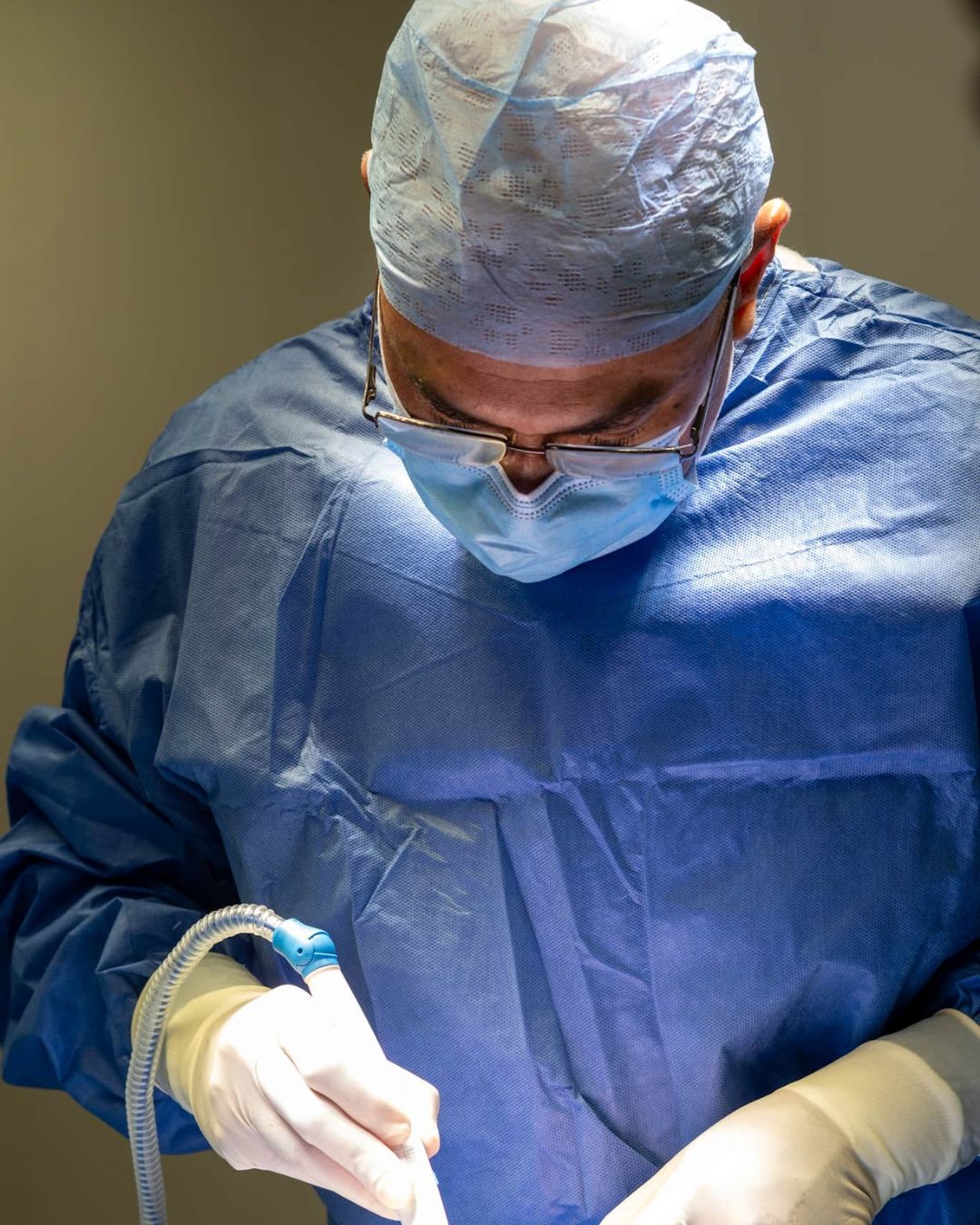
Open Incisional Hernia Repair:
- The original scar is usually reopened
- Allows full access to the abdominal wall
- Can also improve the appearance of previous scarring
- Mesh is placed and the abdominal wall is reconstructed
Concerns about infection are often linked to the surgical technique rather than the approach itself.
Keyhole Repair:
- Performed using small incisions and a camera
- Often associated with reduced postoperative pain and quicker recovery
- Mesh is placed inside the abdomen to cover the defect
In cases with large defects or significant muscle separation, a simple keyhole approach may not fully restore the abdominal wall contour.
Specialist Management of Incisional Hernias
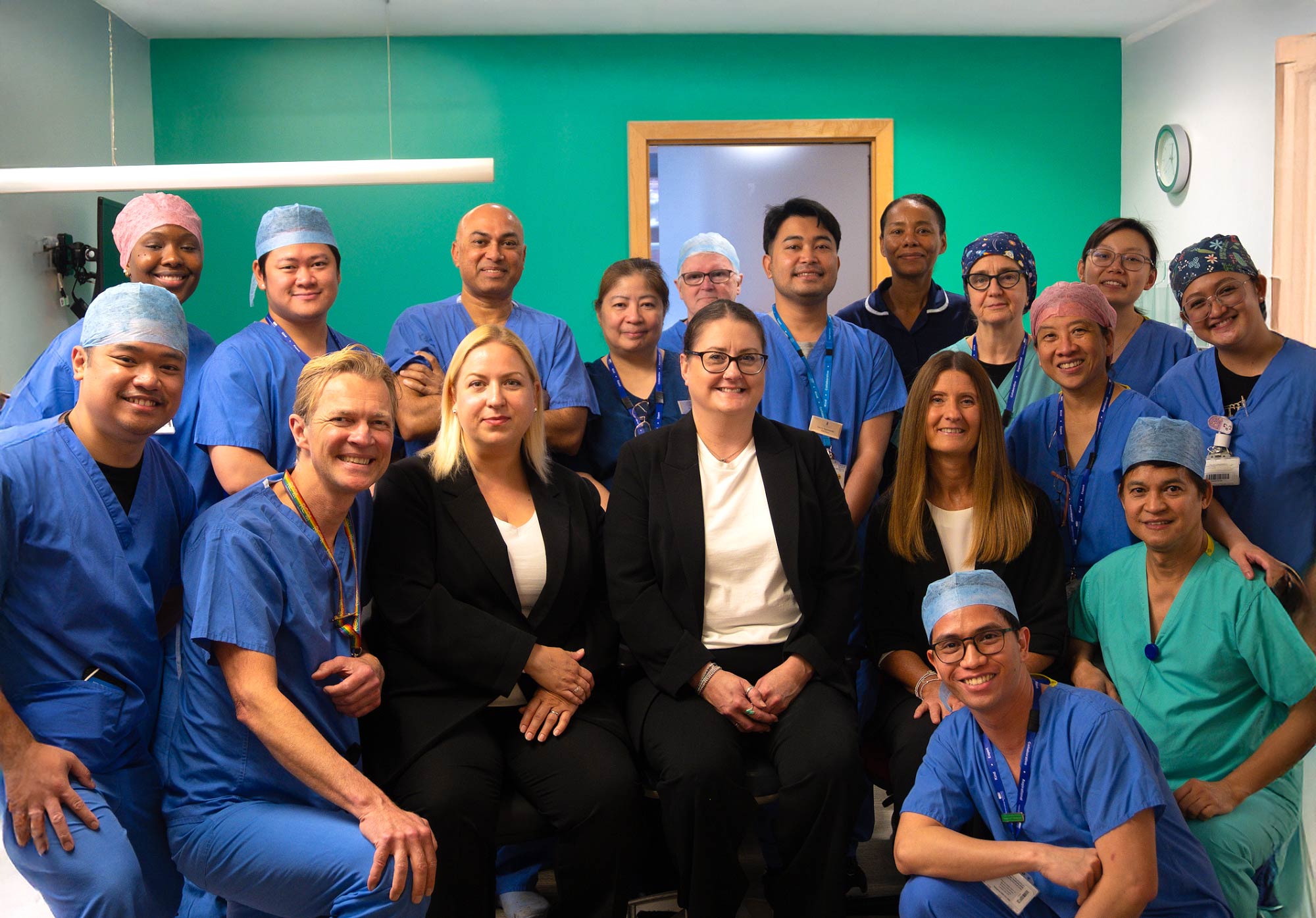
At The British Hernia Centre, we treat all incisional hernias, from small defects to complex reconstructions, including failed repairs. With over 30 years of specialist experience, the centre is dedicated solely to hernia surgery and performs more procedures than any other unit worldwide.
Contact the team to learn more or book a consultation.