Parastomal Hernia
.jpg)
Understanding a Parastomal Hernia
A parastomal hernia is a common condition that can develop after stoma surgery. It happens when part of the bowel or other abdominal tissue pushes through a weak area near the stoma. This can create a bulge or swelling.
Although a parastomal hernia can become larger over time, it does not always require surgery. Understanding the symptoms and knowing when to seek medical advice can help you manage the condition with confidence.
What Is a Parastomal Hernia?
A parastomal hernia develops around the opening where a stoma passes through the abdominal muscles. Creating a stoma requires an opening in the abdominal wall, which naturally creates a weaker area.
Over time, the muscles around the stoma can separate slightly. This allows part of the bowel or abdominal contents to push through. This causes a visible bulge or swelling beneath or around the stoma.
These types of hernias are common, affecting up to 70% of people with a stoma. While they can affect the fit of a stoma appliance and cause discomfort, serious complications are uncommon.
Parastomal Hernia Symptoms
The symptoms of a parastomal hernia often develop gradually and may become more noticeable over time. Common symptoms include:
- A bulge or swelling around the stoma
- A change in the shape or size of the stoma area
- Difficulty keeping a stoma appliance securely in place
- Discomfort or aching around the stoma
- A feeling of pressure when standing, coughing or lifting
- The stoma area becoming more noticeable during physical activity
Treatment for a Parastomal Hernia
Not every parastomal hernia requires surgery. Many people successfully manage their symptoms with lifestyle changes, abdominal support garments and regular monitoring.
If the hernia causes discomfort, affects your stoma appliance, or lowers your quality of life, seek specialist help. A hernia surgeon can determine whether surgery or conservative management is the best treatment option.
When Should You Seek Medical Advice?
Most parastomal hernias develop slowly and you can often manage them without surgery. However, you should seek medical advice if:
- The bulge suddenly becomes much larger
- You develop severe pain around the stoma
- Your stoma stops working normally
- The area becomes red, swollen or tender
- You experience nausea or vomiting alongside the hernia
These symptoms could indicate a more serious problem that requires urgent assessment.
.jpg)
How we've helped make a difference
Frequently Asked Questions
Most hernias around the world are repaired by general surgeons as just one of the list of procedures they perform. Hernia is not a subject that has attracted enough interest generally to make it a specialised area. The slow development of modern hernia techniques is a result. We feel that hernia needs specialisation.
See also, why a specialist hernia centre.
The easiest way to compare is to start with these simple questions. For example,
How many tens of thousands of hernia cases has your surgeon and his team performed? (Always ask that question) Is it done routinely under just local anaesthesia? Will you need overnight hospital admission at all? Will you be able to return to work and normal activities in the same amount of time? Are the risks of recurrence anything like the same? Do they have a 100% safety record and ZERO MRSA?
Traditionally (using previous techniques) many hernia repairs fail (recur) and they tend to fare even worse when they get repaired again. The failure rate is thought to double with each subsequent attempt.
Happily we have an established track record in repairing recurrent hernias and are repairs are as reliable as primary (first time) repairs. The risks of recurrence are an insignificant fraction of one percent.
See the page specifically on Recurrent Hernia.
Most hernias, if not treated, do nothing more than get bigger. However, hernias can get very painful, often without warning and at their worst can strangulate, which can demand an ambulance and immediate emergency surgery or the consequences could be extreme.
No. It is unfortunately something that can afflict anyone. About one in ten of us will have one, which is an awfully large number.
There are several kinds of hernia, depending on where the muscle or tissue is weak. The most common is an inguinal hernia, which develops in the groin and is more common in men. Femoral hernias also occur in the groin and are more common in women. Umbilical hernias appear around the belly button, while incisional hernias develop through scars from previous surgery. The British Hernia Centre specialises in diagnosing and treating all types of hernia.
Why Choose The British Hernia Centre?
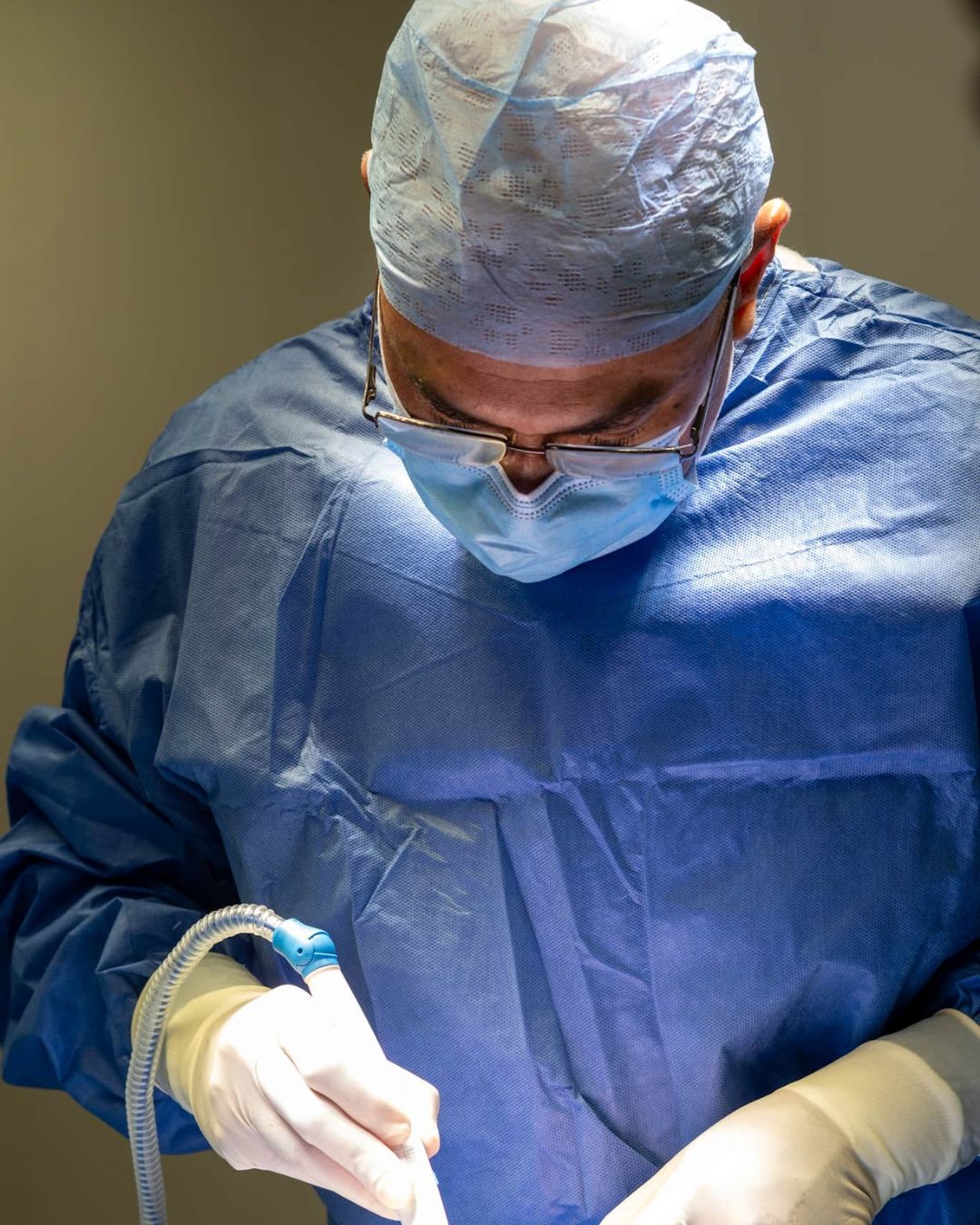
For diagnosing and treating a parastomal hernia, choosing an experienced specialist can make all the difference. The British Hernia Centre has focused exclusively on hernia care since 1989. We help patients from across the UK receive expert assessment and treatment.
Patients choose us because we offer:
- Specialist surgeons with extensive experience in hernia diagnosis and repair
- Tailored treatment plans based on your symptoms and individual needs
- Honest advice, including when surgery may not be necessary
- A long-established reputation for treating both straightforward and complex hernias
- Comprehensive support from consultation through to recovery
Arrange a Consultation Today
If you are experiencing symptoms of a parastomal hernia, seeking specialist advice can provide complete reassurance.
The British Hernia Centre offers specialist assessment and treatment for a wide range of hernia conditions. Contact our team today to arrange a consultation with an experienced hernia specialist.