Testicular Hernia Treatment
.jpg)
Testicular and Scrotal Hernia Treatment
A testicular hernia, often referred to as a scrotal hernia, is a type of inguinal hernia where tissue passes through a weak spot in the abdominal wall and extends into the scrotum.
This type of hernia usually develops due to a weakness in the abdominal muscles, allowing part of the intestine or fatty tissue to move through the inguinal canal. It often presents as a noticeable swelling or bulge in your groin or scrotum.
The British Hernia Centre provides specialist diagnosis and hernia repair for patients with testicular and scrotal hernias, offering expert assessment and treatment tailored to the individual patient.
Symptoms of a Testicular Herniaor Scrotal Hernia
A testicular hernia often develops gradually and may become more noticeable over time.
Common symptoms include:
- A swelling in the groin that may extend into the scrotum
- A bulge in your groin that may increase when standing or straining
- Discomfort or pain, especially when coughing or lifting
- A feeling of heaviness in the groin or scrotum
Symptoms may worsen when you lift heavy objects or during physical activity, as this increases pressure on the abdominal muscles.
When a Hernia Becomes Serious
In some cases, a hernia can become trapped, which is known as an incarcerated hernia. This may cause increased pain and difficulty reducing the swelling.
If the blood supply to the trapped tissue becomes restricted, it can develop into a strangulated hernia. This is a serious condition that requires urgent medical treatment.
Early assessment helps reduce the risk of these complications.
How a Testicular Hernia Is Treated
Because the hernia occurs due to a weakness in the abdominal wall, it does not usually improve without treatment. The most effective option is typically hernia repair surgery.
During the procedure, the surgeon returns the protruding tissue to its normal position and repairs the weak spot in the abdominal wall.
The most suitable type of surgery depends on the size of the hernia, the patient’s symptoms and overall health.
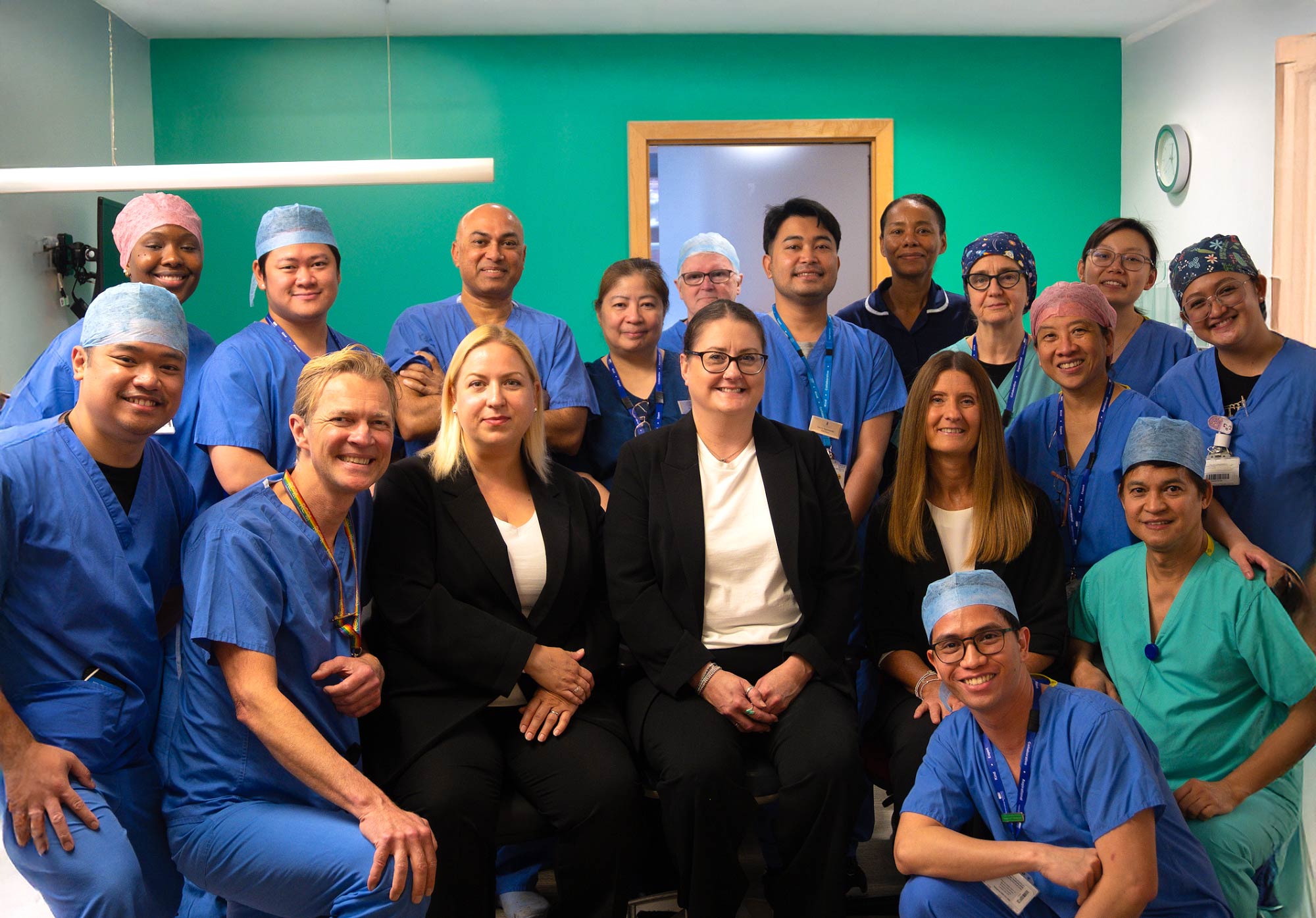
How we've helped make a difference
Frequently Asked Questions
Most hernias around the world are repaired by general surgeons as just one of the list of procedures they perform. Hernia is not a subject that has attracted enough interest generally to make it a specialised area. The slow development of modern hernia techniques is a result. We feel that hernia needs specialisation.
See also, why a specialist hernia centre.
The easiest way to compare is to start with these simple questions. For example,
How many tens of thousands of hernia cases has your surgeon and his team performed? (Always ask that question) Is it done routinely under just local anaesthesia? Will you need overnight hospital admission at all? Will you be able to return to work and normal activities in the same amount of time? Are the risks of recurrence anything like the same? Do they have a 100% safety record and ZERO MRSA?
Yes. But it may not be what you think. Click to see the section on the page covering Testicular Involvement.
Uncomfortable, large and painful hernias have been known to cause such problems, because erectile function is very easily interfered with and if one gets any kind of pain with erection, the self-defence mechanism kicks in and prevents the pain by reducing the erection. It can be as simple as that.
This should get back to normal as soon as the underlying cause, namely the hernia, is dealt with. However, if the situation is allowed to continue for a long time, return to normal erectile function might not be quite so simple.
Traditionally (using previous techniques) many hernia repairs fail (recur) and they tend to fare even worse when they get repaired again. The failure rate is thought to double with each subsequent attempt.
Happily we have an established track record in repairing recurrent hernias and are repairs are as reliable as primary (first time) repairs. The risks of recurrence are an insignificant fraction of one percent.
See the page specifically on Recurrent Hernia.
Unless you are a doctor, do not try self-diagnosis. The reasons are many, including that there are several possible symptoms (some, none or any mixture of) which you may have and may detect. However, what you have might be something else entirely and by thinking (perhaps incorrectly) that you can diagnose it as a hernia, you may be putting something else at great risk of going untreated.
If you have symptoms indicating something is not right, then see a doctor who can diagnose it for you properly. We do not recommend any other course as sensible.
.jpg)
Hernia Repair Techniques
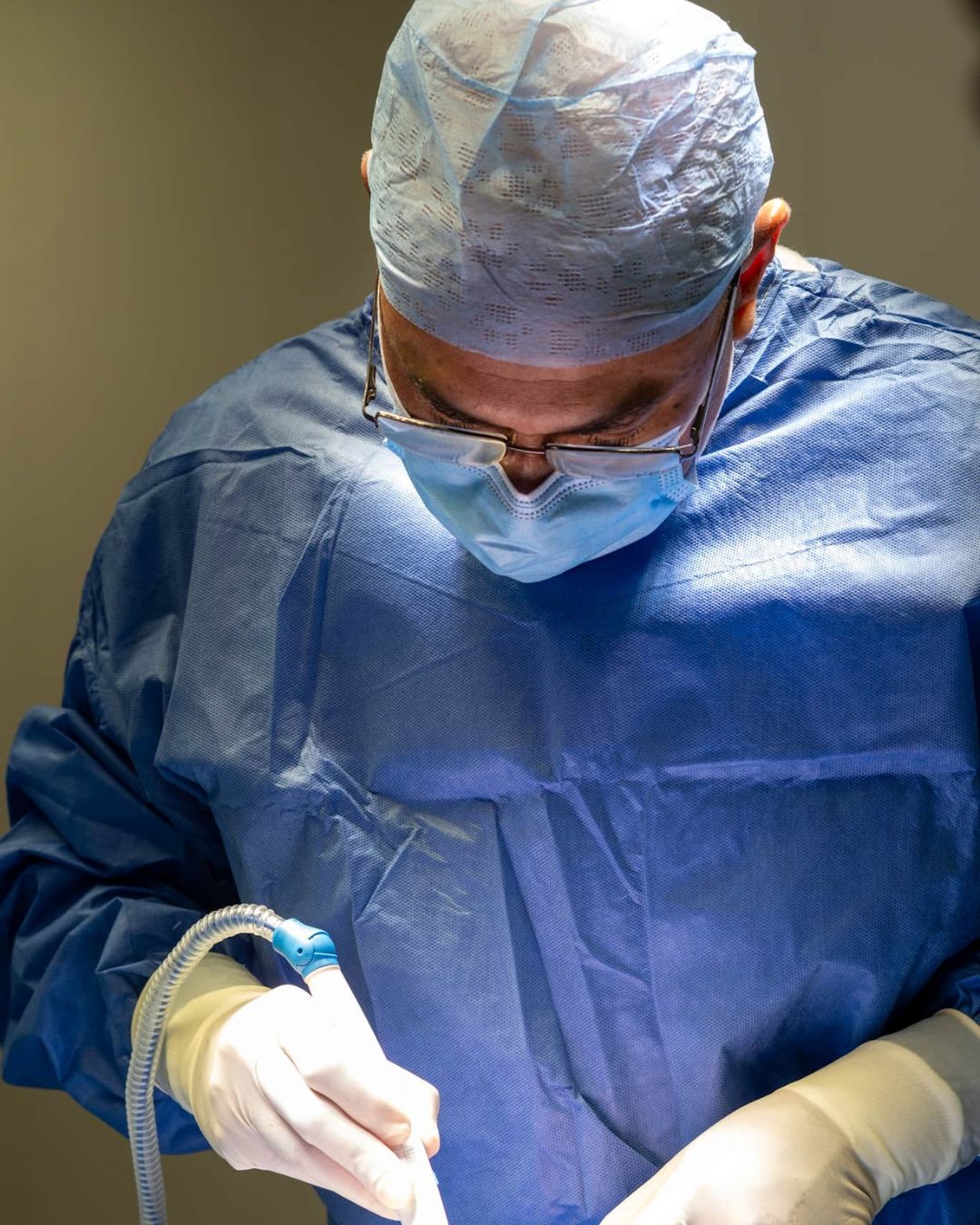
At The British Hernia Centre, the preferred approach for many inguinal hernias is tension-free hernia repair under local anaesthetic. This involves a small incision in the groin to allow the surgeon to return the tissue to its correct position and reinforce the weakened area using surgical mesh.
Many patients are able to walk shortly after surgery and return home the same day. In selected cases, laparoscopic keyhole surgery may be considered. This minimally invasive approach uses small incisions and specialised instruments to repair the hernia from inside the abdomen.
The most appropriate treatment approach is always discussed during consultation.
Arrange a Consultation
The British Hernia Centre provides specialist care for inguinal hernias that extend into the scrotum, from diagnosis through to expert surgical treatment.
During consultation we will:
- Confirm your diagnosis
- Assess the extent of the hernia
- Explain the most appropriate treatment options
- Discuss recovery and surgical planning
Contact The British Hernia Centre today to arrange a consultation with a specialist hernia surgeon.