
Hiatal Hernia
.jpg)
Understanding Hiatal Hernia Symptoms and Treatment
A hiatal hernia, also known as a hiatus hernia, occurs when part of the stomach moves upwards through an opening in the diaphragm called the hiatus and into the chest.
Unlike hernias that cause a visible lump, a hiatal hernia develops internally. Some people experience very few symptoms, while others develop ongoing digestive problems, particularly acid reflux and irritation of the oesophagus.
What Are the Symptoms of a Hiatal Hernias?
Symptoms vary depending on the size of the hernia and the degree of acid reflux. Common symptoms include:
- Acid reflux or heartburn
- Chest discomfort after eating
- A sour taste in the mouth
- Bloating or burping
- Difficulty swallowing
- Pain that worsens when lying down
- Some patients may also develop gastro-oesophageal reflux disease (GORD), where stomach acid repeatedly travels back into the oesophagus.
What Can Make Symptoms Worse?
Symptoms may become more noticeable after large or heavy meals, when lying down soon after eating or after consuming foods and drinks that trigger reflux.
Common triggers can include alcohol, caffeine, spicy foods and fatty foods. Some patients find it helpful to eat smaller, more frequent meals and avoid eating shortly before bed. Where appropriate, losing weight may also reduce pressure on the stomach and improve symptoms.
How Is a Hiatal Hernia Diagnosed?
Because a hiatal hernia occurs internally, diagnosis may require investigations rather than a physical examination alone.
Tests such as an endoscopy or imaging may be used to examine the oesophagus and stomach, confirm the diagnosis and assess the effects of acid reflux. Your doctor or specialist can advise which investigations are appropriate based on your symptoms.
.jpg)
How we've helped make a difference
Frequently Asked Questions
No. We all inherit an anatomical weakness as part of the design of the human body and are thus susceptible to hernias.
Most hernias around the world are repaired by general surgeons as just one of the list of procedures they perform. Hernia is not a subject that has attracted enough interest generally to make it a specialised area. The slow development of modern hernia techniques is a result. We feel that hernia needs specialisation.
See also, why a specialist hernia centre.
The easiest way to compare is to start with these simple questions. For example,
How many tens of thousands of hernia cases has your surgeon and his team performed? (Always ask that question) Is it done routinely under just local anaesthesia? Will you need overnight hospital admission at all? Will you be able to return to work and normal activities in the same amount of time? Are the risks of recurrence anything like the same? Do they have a 100% safety record and ZERO MRSA?
The bulge is a very common symptom of hernia, but not all hernias have bulges…and not all groin pain is hernia.
To find out with more certainty in cases that are difficult to distinguish, you should be seen by a hernia specialist. For more information on confusing cases of groin injury click the link to Sport, Groin Pain and Hernia.
Traditionally (using previous techniques) many hernia repairs fail (recur) and they tend to fare even worse when they get repaired again. The failure rate is thought to double with each subsequent attempt.
Happily we have an established track record in repairing recurrent hernias and are repairs are as reliable as primary (first time) repairs. The risks of recurrence are an insignificant fraction of one percent.
See the page specifically on Recurrent Hernia.
Most hernias, if not treated, do nothing more than get bigger. However, hernias can get very painful, often without warning and at their worst can strangulate, which can demand an ambulance and immediate emergency surgery or the consequences could be extreme.
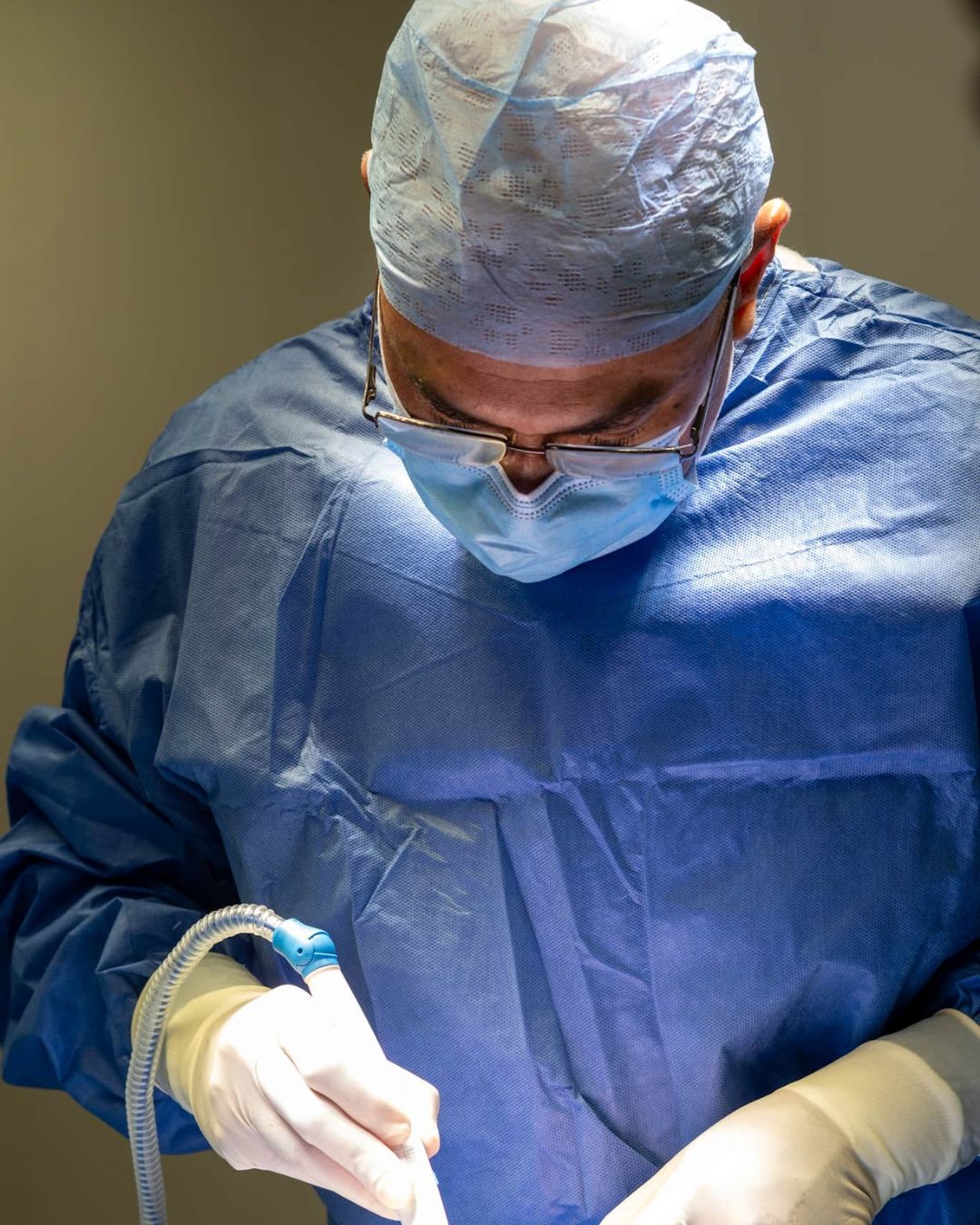
Hiatal Hernia Treatment
Treatment depends on the severity of symptoms, the hernia itself and the effect on quality of life.
Lifestyle changes and medication can help reduce stomach acid and control reflux. However, these measures manage symptoms rather than repairing the hernia itself.
When symptoms are persistent or difficult to control, specialist assessment can determine whether surgery may provide a more appropriate long-term solution.
Specialist Hiatal Hernia Treatment
The British Hernia Centre provides specialist assessment and treatment for patients with hiatal hernias and reflux symptoms.
Our specialists can review your symptoms and investigations, explain your treatment options and advise whether surgery may be beneficial.
If you have persistent acid reflux, difficulty swallowing or other symptoms associated with a hiatal hernia, contact The British Hernia Centre to arrange a specialist consultation.