
Hiatus Hernia Surgery
.jpg)
Specialist Hiatus Hernia Surgery in London
Hiatus hernia surgery may be recommended when symptoms caused by a hiatus hernia such as persistent acid reflux, chest pain or difficulty swallowing continue despite lifestyle changes and medication.
At The British Hernia Centre, patients receive specialist assessment to determine whether surgery is the most appropriate treatment. Every recommendation is tailored to the individual, taking into account the size of the hiatus hernia, the severity of symptoms and the impact on quality of life.
When Is Hiatus Hernia Surgery Recommended?
Hiatus hernia surgery is recommended when symptoms become persistent, significantly affect quality of life or are no longer adequately controlled with lifestyle measures or medication. Surgery may be considered if:
- Acid reflux remains difficult to control
- Symptoms continue despite medication
- Chest pain is related to the hernia
- Difficulty swallowing develops
- Long-term reflux is affecting the oesophagus, lungs or teeth
- The hernia is causing significant disruption to daily life
While some patients find that eating smaller meals, maintaining a healthy weight and medication help manage symptoms, these approaches do not repair the hernia itself. A specialist assessment can help determine whether surgery is the most appropriate long-term solution.
What Does Hiatus Hernia Surgery Involve?
The aim of surgery is to return the part of your stomach to its normal position below the diaphragm and repair the enlarged opening through which the hernia has developed. The procedure may also strengthen the area around the lower oesophagus to help reduce acid reflux and prevent stomach acid from travelling back into the oesophagus.
The exact technique depends on the size of the hernia and the patient's individual circumstances.
Is Keyhole Surgery Used?
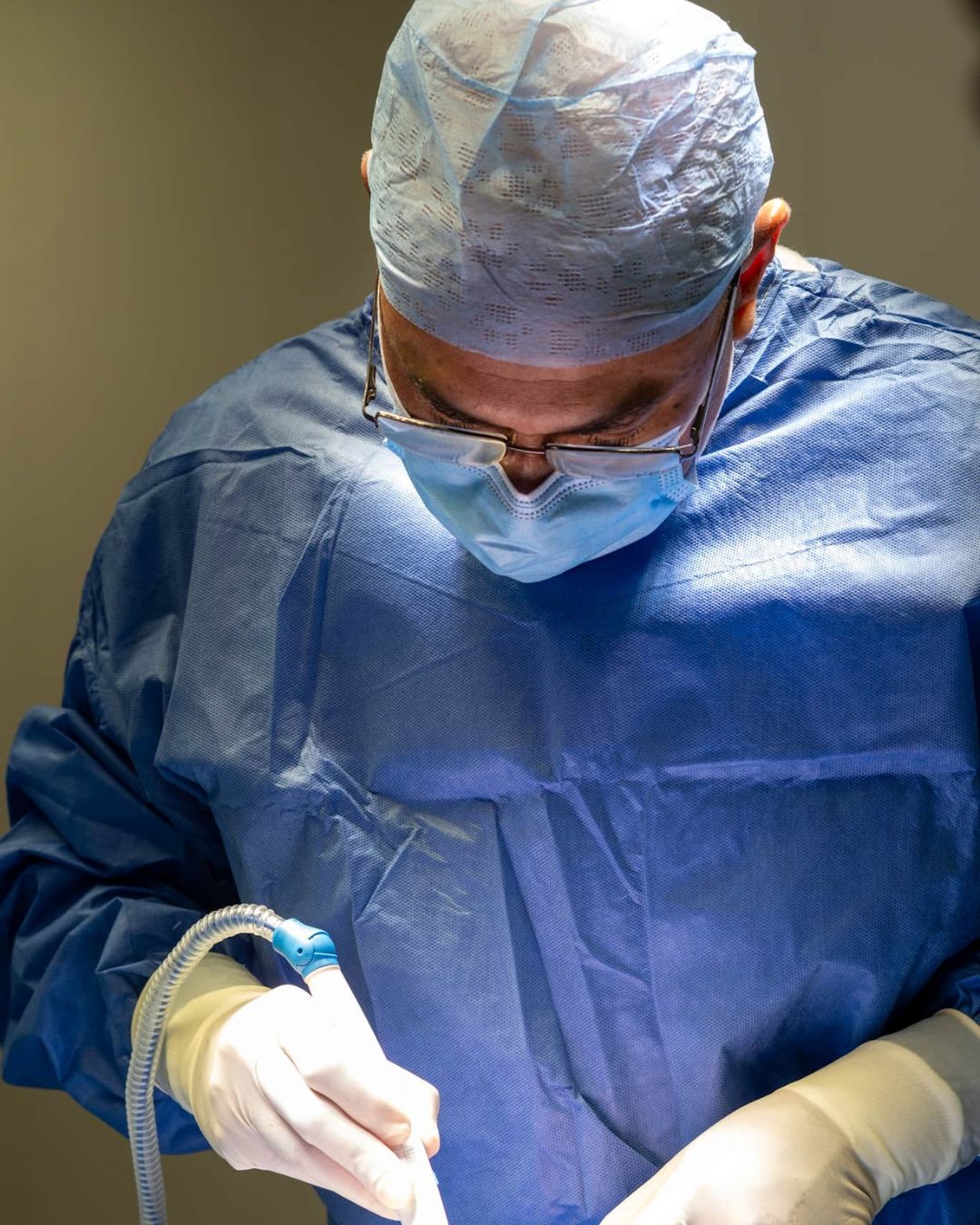
Many hiatus hernia operations are performed using keyhole surgery. This minimally invasive technique uses several small incisions and specialised instruments to repair the hernia. The procedure is performed under general anaesthetic.
Your surgeon will explain whether keyhole surgery is appropriate for your individual case.
.jpg)
How we've helped make a difference
Frequently Asked Questions
No. We all inherit an anatomical weakness as part of the design of the human body and are thus susceptible to hernias.
Most hernias around the world are repaired by general surgeons as just one of the list of procedures they perform. Hernia is not a subject that has attracted enough interest generally to make it a specialised area. The slow development of modern hernia techniques is a result. We feel that hernia needs specialisation.
See also, why a specialist hernia centre.
The easiest way to compare is to start with these simple questions. For example,
How many tens of thousands of hernia cases has your surgeon and his team performed? (Always ask that question) Is it done routinely under just local anaesthesia? Will you need overnight hospital admission at all? Will you be able to return to work and normal activities in the same amount of time? Are the risks of recurrence anything like the same? Do they have a 100% safety record and ZERO MRSA?
The bulge is a very common symptom of hernia, but not all hernias have bulges…and not all groin pain is hernia.
To find out with more certainty in cases that are difficult to distinguish, you should be seen by a hernia specialist. For more information on confusing cases of groin injury click the link to Sport, Groin Pain and Hernia.
Traditionally (using previous techniques) many hernia repairs fail (recur) and they tend to fare even worse when they get repaired again. The failure rate is thought to double with each subsequent attempt.
Happily we have an established track record in repairing recurrent hernias and are repairs are as reliable as primary (first time) repairs. The risks of recurrence are an insignificant fraction of one percent.
See the page specifically on Recurrent Hernia.
Most hernias, if not treated, do nothing more than get bigger. However, hernias can get very painful, often without warning and at their worst can strangulate, which can demand an ambulance and immediate emergency surgery or the consequences could be extreme.
Recovery After Hiatus Hernia Surgery
Recovery varies depending on the complexity of the repair and the patient's overall health. Following surgery, patients are usually advised to:
- Eat smaller meals while recovering
- Follow dietary guidance provided by their surgeon
- Gradually return to normal activities
- Attend any recommended follow-up appointments
Most patients notice an improvement in reflux symptoms as healing progresses.
Why Choose The British Hernia Centre?
The British Hernia Centre has specialised exclusively in hernia diagnosis and treatment for more than 37 years. Patients benefit from expert assessment, personalised treatment planning and access to surgeons with extensive experience managing both straightforward and complex hernias.
If you have persistent reflux, chest pain or difficulty swallowing caused by a hiatus hernia, contact The British Hernia Centre to arrange a specialist consultation. Our team can assess your symptoms, explain your treatment options and advise whether hiatus hernia surgery is appropriate for you.