Inguinal Hernia Symptoms
.jpg)
Knowing the Signs of an Inguinal Hernia
An inguinal hernia is the most common of all types of hernia. It occurs when fatty tissue or part of the bowel pushes through a weak spot in the lower abdominal wall, creating a bulge in the groin.
Symptoms can develop gradually or appear suddenly after lifting, straining or other physical activity. Recognising the signs early can help patients seek appropriate treatment before complications develop.
What Are Inguinal Hernias?
An inguinal hernia develops in an area known as the inguinal canal, located in the groin. The condition occurs when tissue pushes through a weakness in the abdominal muscles or surrounding connective tissue. Some people are born with a weakness in this area, while others develop one later in life.
Factors that may increase the likelihood of an inguinal hernia include:
- Heavy lifting
- Chronic cough
- Repeated straining
- Increasing age
- Family history of hernia
Common Symptoms of an Inguinal Hernia
The symptoms of an inguinal hernia can vary depending on its size and severity.
Common symptoms include:
- A visible bulge in your groin
- Swelling that becomes more noticeable when standing
- Discomfort when coughing, lifting or bending
- A dragging or heavy sensation in the groin
- Pain during physical activity
- Symptoms that improve when lying down
In some cases, the bulge may extend towards the scrotum.
How we've helped make a difference
Frequently Asked Questions
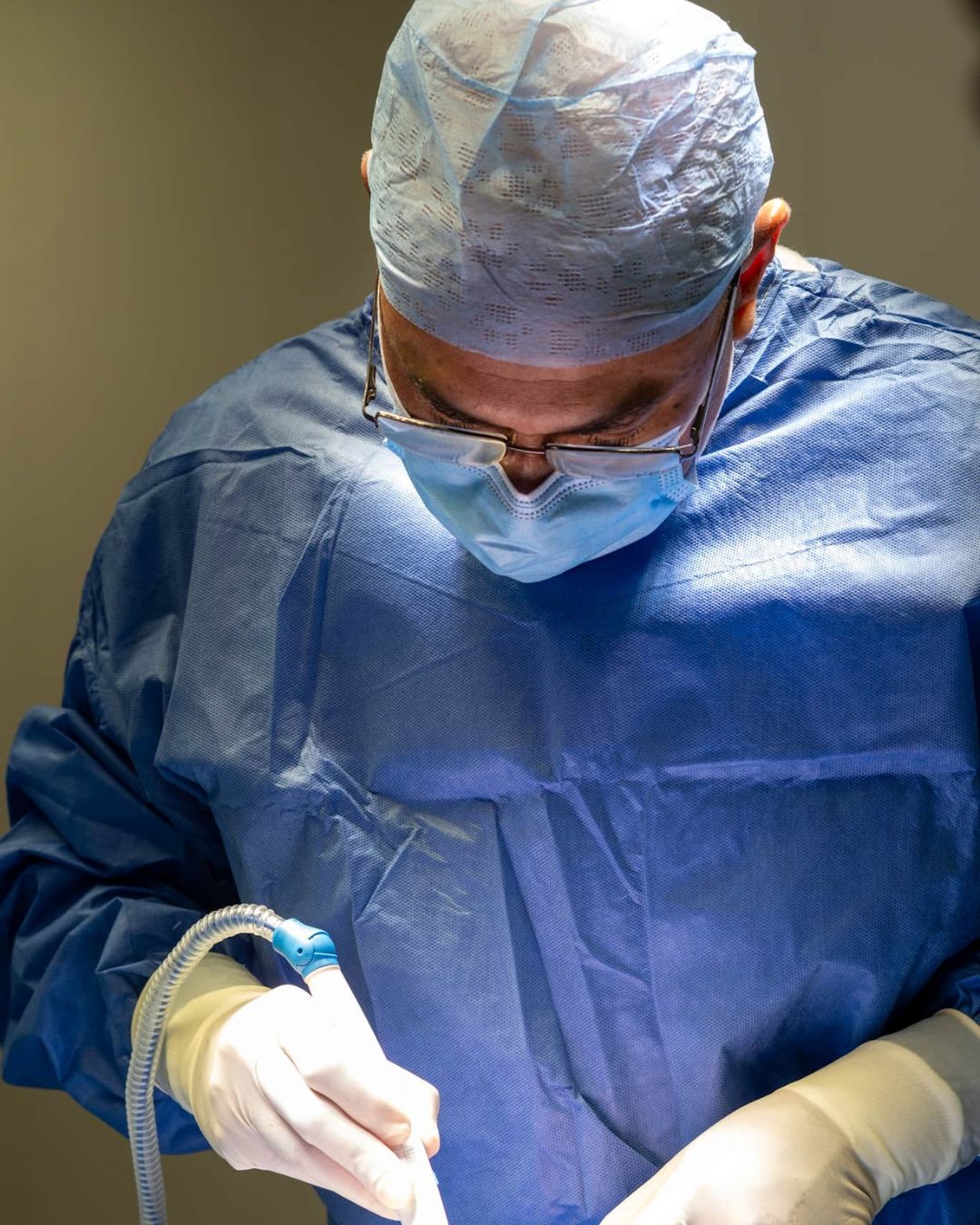
Hernia surgery is no different to any other walk of life in this regard. If other operations are done better by people who specialise in that work, then hernia is no different. Expert opinion now recognises the importance of specialisation in hernia, not only by the surgeon, but the rest of the team and the unit where the work is done.
Our own results have been improved on because of our experience with so many cases each year. We started off with excellent results, but by doing tens of thousands of hernias, even they were dramatically improved upon. See Value of Specialisation.
Traditionally (using previous techniques) many hernia repairs fail (recur) and they tend to fare even worse when they get repaired again. The failure rate is thought to double with each subsequent attempt.
Happily we have an established track record in repairing recurrent hernias and are repairs are as reliable as primary (first time) repairs. The risks of recurrence are an insignificant fraction of one percent.
See the page specifically on Recurrent Hernia.
Do NOT go on any kind of active holiday or travel anywhere far from good surgical care with a known hernia condition. You are at risk AND may well find yourself uninsured under the terms of your travel insurance. See the page on Holidays with known hernias.
Most hernias around the world are repaired by general surgeons as just one of the list of procedures they perform. Hernia is not a subject that has attracted enough interest generally to make it a specialised area. The slow development of modern hernia techniques is a result. We feel that hernia needs specialisation.
See also, why a specialist hernia centre.
Keyhole (laparoscopic) surgery represents a great advance in many areas of surgery, such as ovaries, throats, knees, etc.
For hernia though, we find that results that are as good, or better, can be achieved without the risks of keyhole surgery (except in certain specific cases).
Furthermore, our preferred approach does not need general anaesthesia. Keyhole surgery can only be done with general anaesthesia or spinal injections, which carry additional risks.
We stress that different ideas and beliefs by surgeons are healthy in order to make the changes that lead to advances and improvements. Although there are some eminent proponents of keyhole hernia repair, we have done more of these tension-free hernia repairs than any hospital in the entire world, so we could use any technique known to surgical science. Our conclusions are therefore based upon very significant experience.
We DO offer laparoscopy, but in very specific cases where we find that to be more appropriate than the open repair we describe.
See Methods of Repair.
.jpg)
What Happens if an Inguinal Hernia Is Left Untreated?
An inguinal hernia that is left untreated can sometimes lead to complications. One possible complication is an incarcerated hernia, where tissue becomes trapped and cannot move back into the abdomen.
In more serious cases, the blood supply to the trapped tissue can become restricted. This is known as a strangulated hernia and requires urgent medical attention.
The earlier an inguinal hernia is assessed, the more treatment options are often available.
Diagnosis and Treatment
An inguinal hernia can often be diagnosed through a physical examination. The hernia is usually easier to identify when standing, coughing or straining.
Treatment depends on the size of the hernia, symptoms and overall health of the patient. Some patients may be suitable for minimally invasive or keyhole approaches, although the most appropriate method depends on the individual case.
Arrange a Consultation
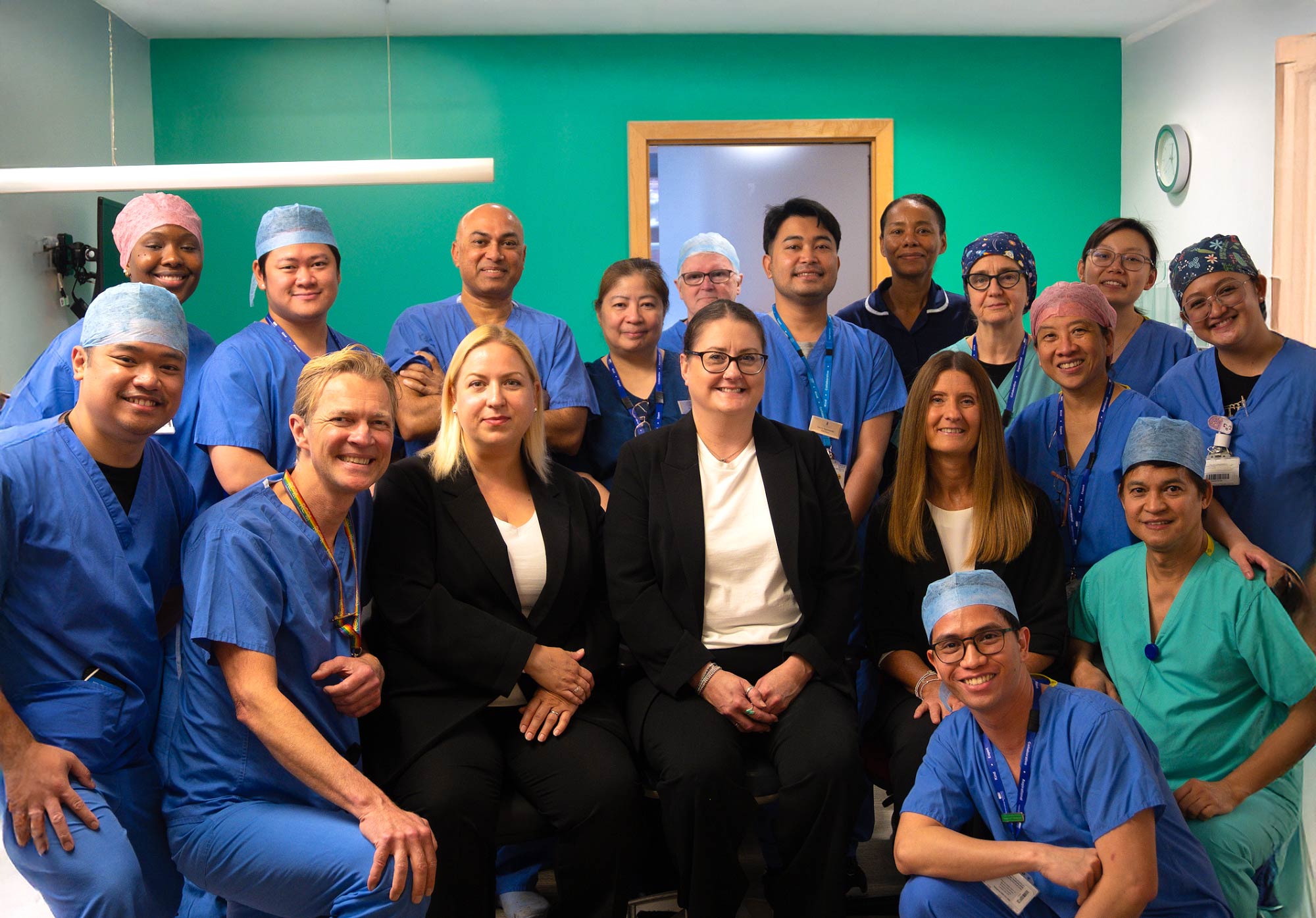
The British Hernia Centre has specialised exclusively in hernia diagnosis and treatment since 1989.
If you have noticed a bulge in your groin or are experiencing symptoms of an inguinal hernia, contact our team to arrange a specialist assessment.