Groin Hernia Treatment
.jpg)
Expert Groin Hernia Treatment in the UK
A groin hernia (also known as an inguinal hernia) occurs when tissue, such as part of the intestine, pushes through a weak spot in the abdominal wall in the groin area. This can cause a visible lump, discomfort and in some cases, significant pain.
At The British Hernia Centre, we specialise in diagnosing and providing effective, long-lasting groin hernia treatment.
What Are Groin Hernia Symptoms?
Recognising symptoms early is important for preventing complications and ensuring timely treatment.
Common symptoms include:
- A visible lump or swelling in the groin
- Pain or discomfort when lifting, coughing, or bending
- A dragging or heavy sensation in the groin
- Burning or aching around the affected area
- Swelling in the scrotum (in men)
- Symptoms that worsen when standing or straining
In some cases, the lump may disappear when lying down, especially in early-stage hernias.
What Causes a Groin Hernia?
A groin hernia develops due to a weakness in the abdominal muscles. This may be present from birth or develop over time due to strain.
Common contributing factors include:
- Heavy lifting or physical strain
- Chronic coughing or constipation
- Age-related muscle weakness
- Previous surgery in the abdominal area
- Pregnancy or increased abdominal pressure
What Treatments Are There?
There are two options with for treatment:
Watchful Waiting (In Mild Cases) - If your hernia is small and not causing symptoms, your specialist may recommend monitoring it over time. However, hernias do not heal on their own and may worsen.
Surgical Treatment - Surgery is the most effective and permanent solution for a hernia in the groin.
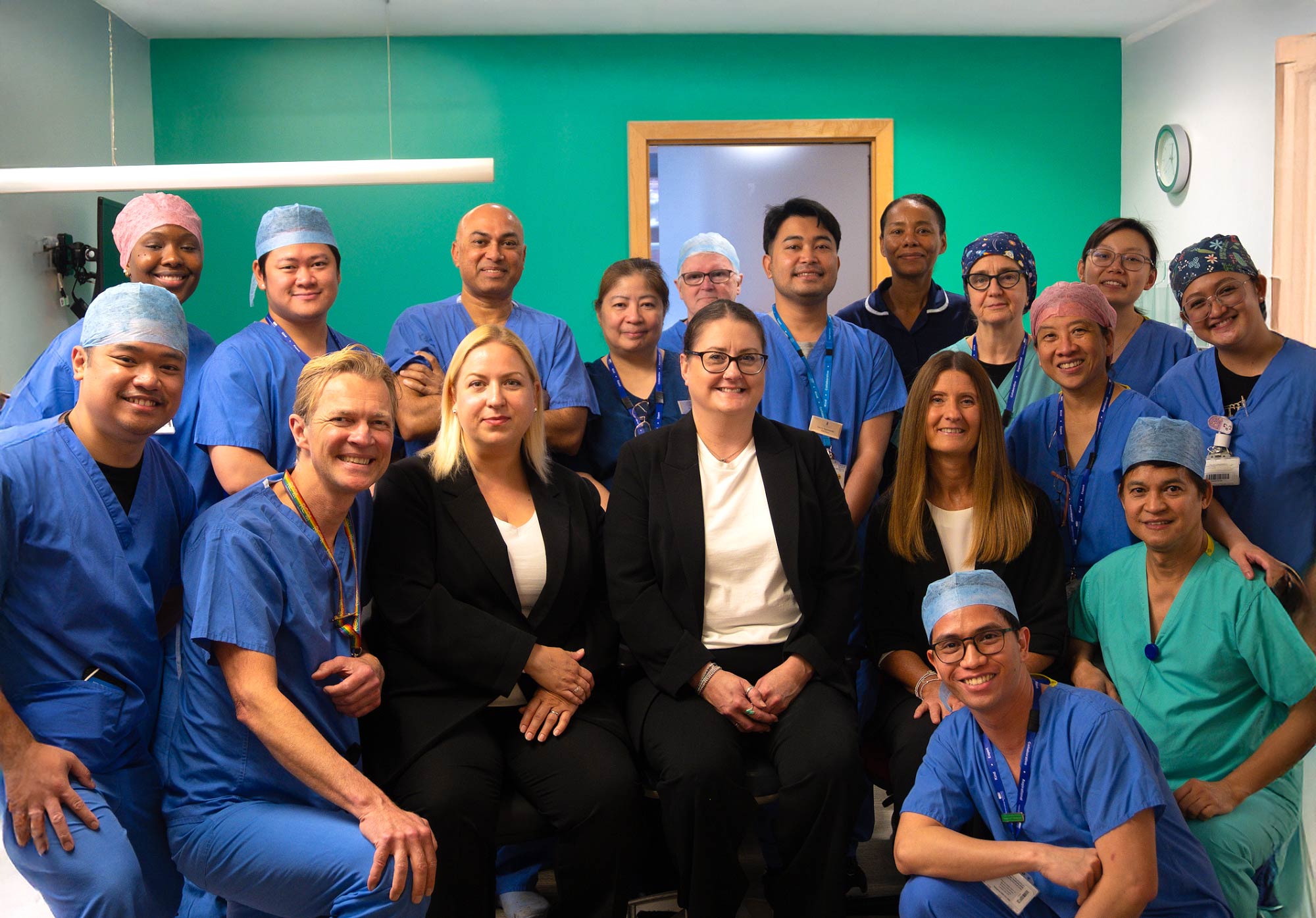
How we've helped make a difference
Frequently Asked Questions
Unless you are a doctor, do not try self-diagnosis. The reasons are many, including that there are several possible symptoms (some, none or any mixture of) which you may have and may detect. However, what you have might be something else entirely and by thinking (perhaps incorrectly) that you can diagnose it as a hernia, you may be putting something else at great risk of going untreated.
If you have symptoms indicating something is not right, then see a doctor who can diagnose it for you properly. We do not recommend any other course as sensible.
There are several kinds of hernia, depending on where the muscle or tissue is weak. The most common is an inguinal hernia, which develops in the groin and is more common in men. Femoral hernias also occur in the groin and are more common in women. Umbilical hernias appear around the belly button, while incisional hernias develop through scars from previous surgery. The British Hernia Centre specialises in diagnosing and treating all types of hernia.
No. It is unfortunately something that can afflict anyone. About one in ten of us will have one, which is an awfully large number.
Yes. But it may not be what you think. Click to see the section on the page covering Testicular Involvement.
.jpg)
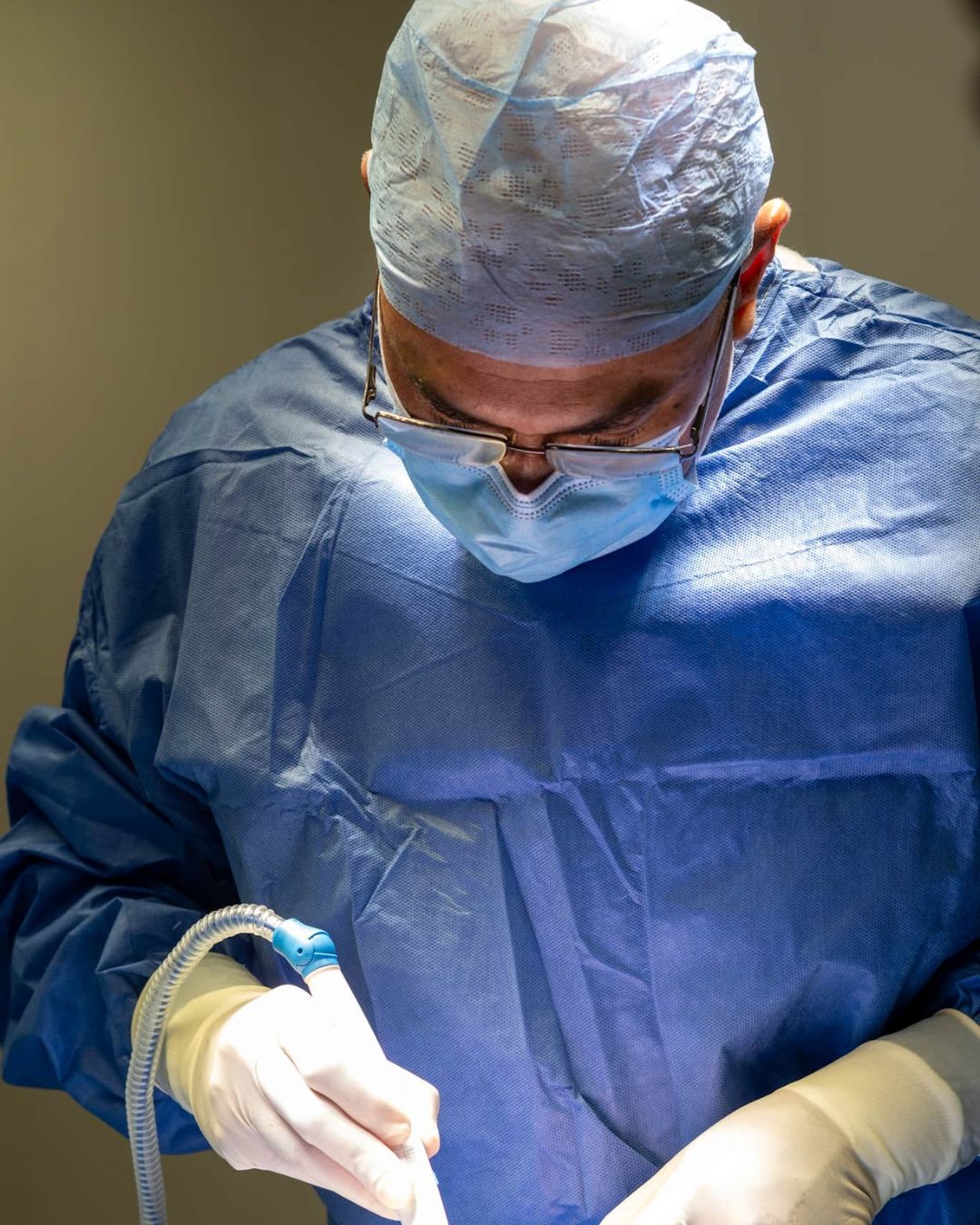
Surgery for a Hernia in the Groin
There are two main types of surgery:
Open Hernia Repair
- A small incision is made in the groin
- The protruding tissue is returned to its proper place
- The weakened area is reinforced, often with mesh
Suitable for many patients and typically performed under local or general anaesthetic
Laparoscopic (Keyhole) Surgery
- Minimally invasive technique using small incisions
- Faster recovery and less post-operative discomfort
- Often recommended for bilateral or recurrent hernias
Both procedures are safe and widely performed, with high success rates.
Arrange a Consultation
The British Hernia Centre provides specialist care from diagnosis through to expert surgical treatment. During your consultation, we will confirm your diagnosis, assess the hernia, explain suitable treatment options and discuss recovery and surgical planning.
Contact us today to arrange an appointment with a specialist hernia surgeon.